
The Toronto Blueshirts
Prior to the NHL, there was a league known as the National Hockey Association. It was founded in 1910 and continued until the NHL’s formation in 1917.
The initial teams were the Montreal Shamrocks, the Montreal Wanderers, the Renfrew Millionaires and also teams from Cobalt, and Haileybury, unlikely now sites to be on the radar for NHL expansion.
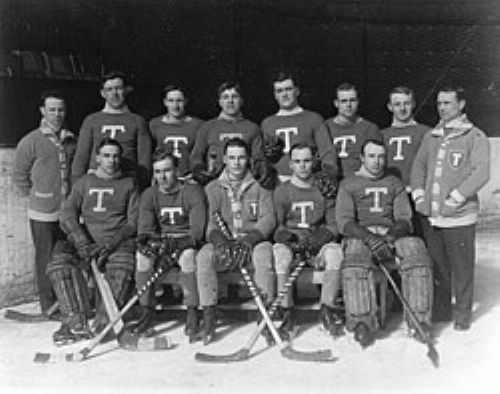
The first Toronto franchise in this league became the Toronto Blueshirts. Their home rink was the Mutual Street Arena.
The Blueshirts were the first Toronto team to win the Stanley Cup in 1914, defeating the Victoria Aristocrats. It was then a true challenge cup, as it was intended. 1
By 1914, the remaining teams in the league consisted of the Montreal Canadiens, the Quebec Bulldogs, the Ottawa Senators and the Montreal Wanderers.
Key players included Scotty Davidson, who died in WWI, Harry Cameron, the Bobby Orr of the day, Frank Foyston and Jack Marshall.
Eddie Livingstone
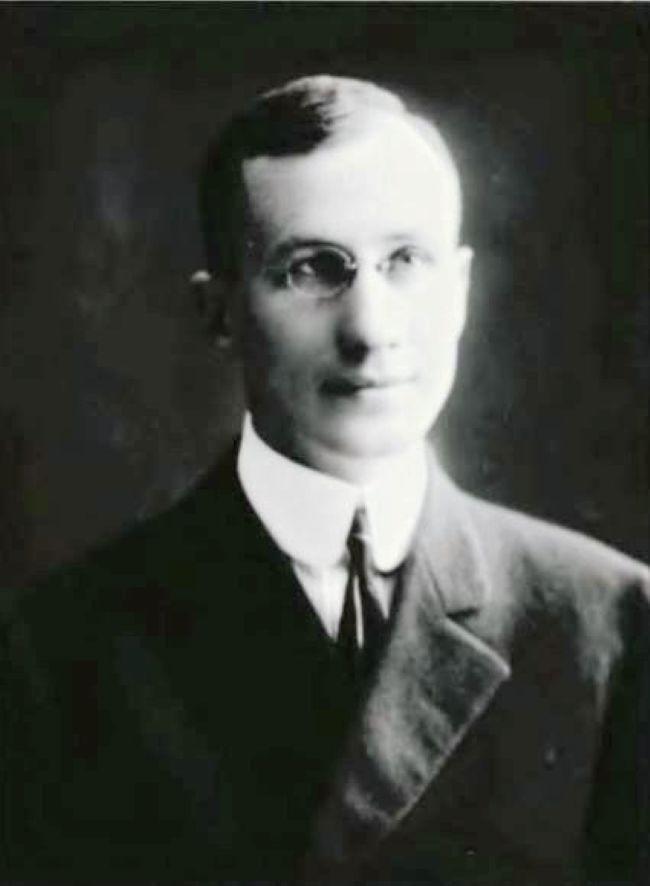
The Blueshirts team was owned by a gentleman by the name of Eddie Livingstone who was quite controversial. He was often in disputes with the other owners. He aggressively signed players away from other teams, particularly Montreal and Ottawa. The League issued suspensions to these players, challenged the contracts and attempted to block other signings. Livingstone sued them multiple times.
Toronto Shamrocks
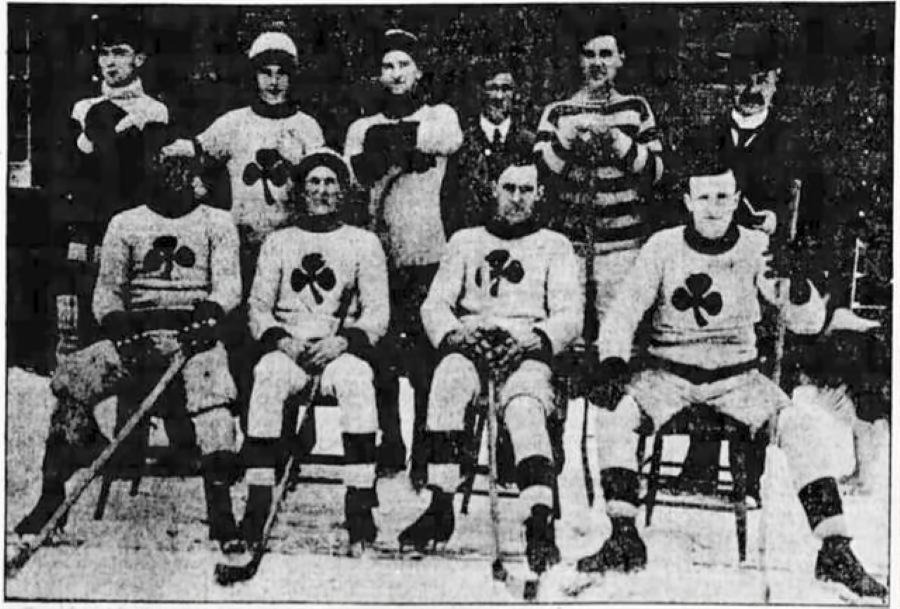
The Shamrocks were a short-lived team in the NHA from 1912 to 1915. They also played out of the Mutual Street Arena. The team struggled due to poor attendance. By 1914, it was bankrupt. Enter Eddie. He bought the remnants of the team and now owned two teams in the NHA, much to the chagrin of the other owners, who were legitimately concerned about conflict issues.
Eddie maintained the League’s articles did not deny the right to multiple franchises.
By 1915, even Eddie realized that this idea was not working well. The players preferred to be with the Blueshirts, costs were excessive and the fights with the other owners were distressing. Eddie discontinued operation of the team but he held onto the franchise title, which upset the other owners.
Toronto Arenas
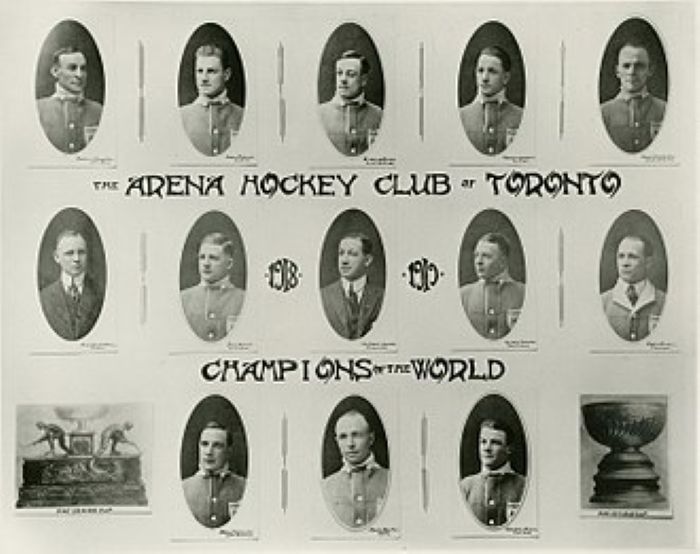
During WWI, the League loaned several Toronto players to other teams on the understanding that they would return to Toronto. Livingstone insisted the players be returned. Ottawa and Montreal refused to do so. Livingstone accused them of theft. The League asserted that he had mismanaged his team. This became the final straw.
The other owners tried to expel him from the league, buy him out, and refuse to return his players. Livingstone launched legal proceedings for injunctive relief.
In 1917, they decided to start a new league and ban him from membership.
Hence, the NHA dissolved, leading to the creation of the NHL in 1917. Livingstone sued, of course, but his legal claims were, for the most part, unsuccessful.
For a more complete review of Eddie’s lawsuits and the demise of the NHA, see the story of “Deceptions and Doublecross: How the NHL Conquered Hockey”, written by Morley Holzman and Joseph Nieforth, 2002, Dundurn Press.
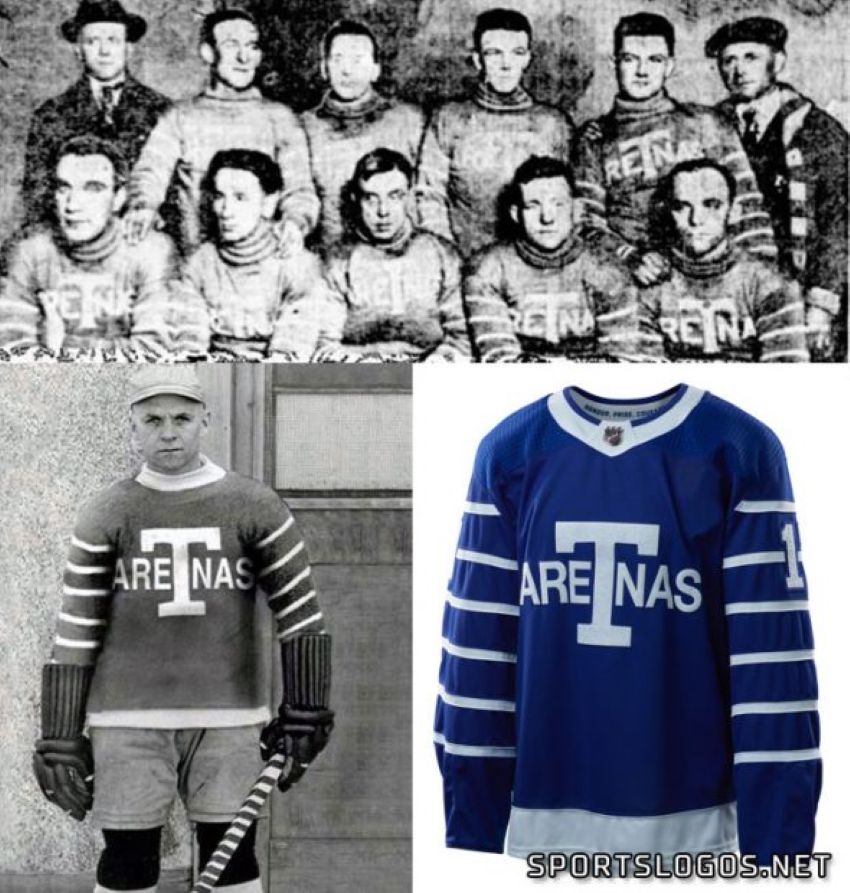
The prior contracts of the Blueshirts players were apparently assigned to a new Toronto franchise, then designated as temporary. 2 It was a temporary admission as the fourth team, the Quebec Bulldogs, were unable to play that season. The team was then called the Toronto Arenas, not a particularly noteworthy name. The Arenas did win the Stanley Cup in 1917.
The Toronto St. Pats
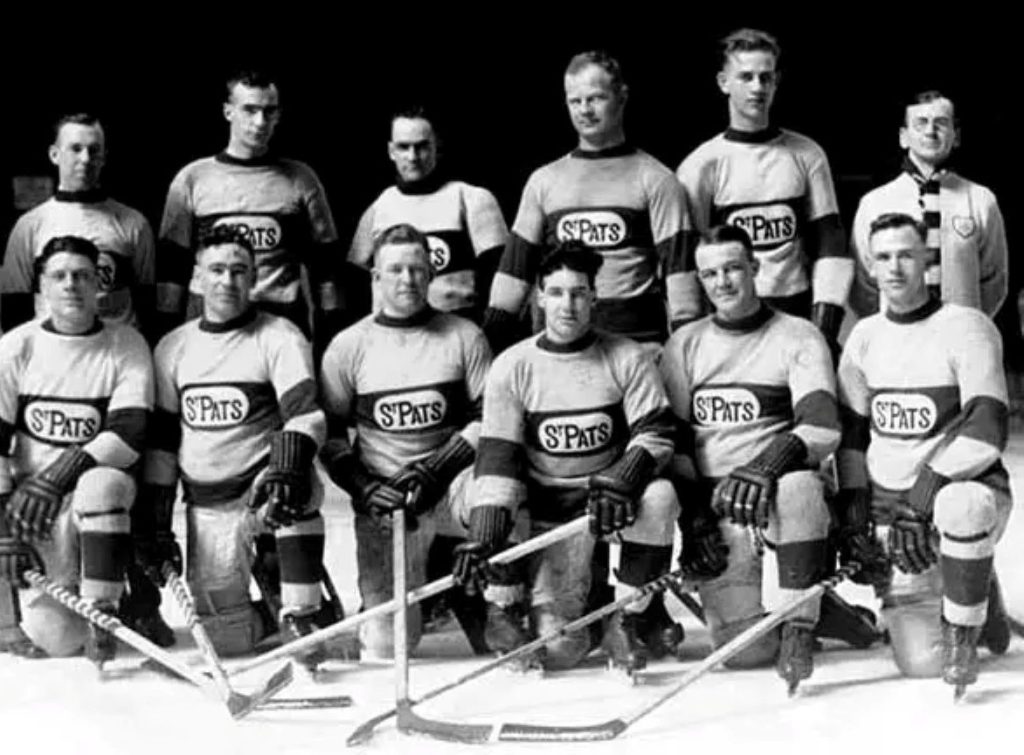
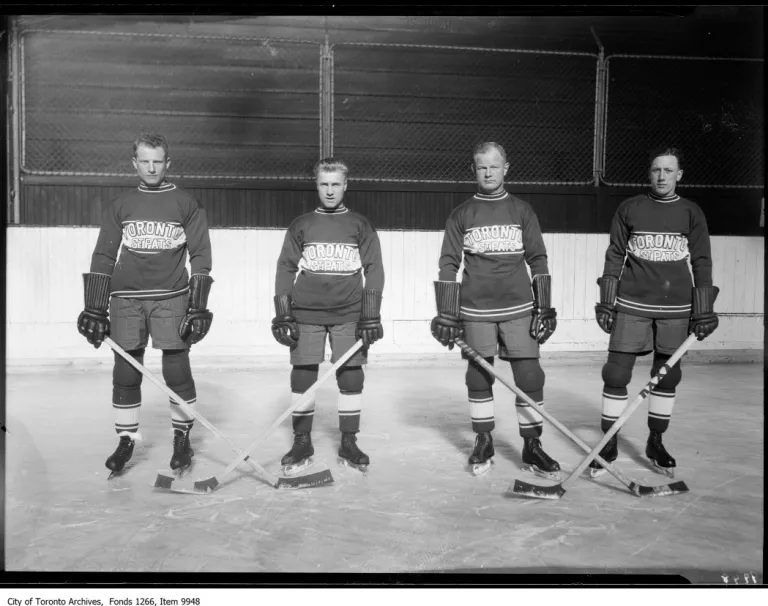
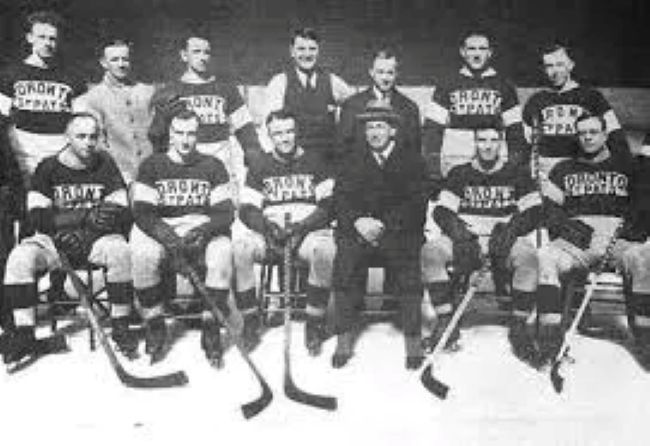
The team was sold in December of 1919 to Charles Querrie, who changed the name to Toronto St. Patricks. Toronto then had a strong Irish Catholic community, particularly in neighbourhoods close to the Mutual Street Arena, such as Cabbagetown, Corktown, St. Mary’s Parish and near St. Michael’s Cathedral. The chosen name was intended to align the team with this ethnic group to build fan support. It was successful as the fan base grew significantly.
The Leafs
In 1927, the team was sold to Conn Smythe and his associates and rebranded as the Toronto Maple Leafs, as of February 17, 1927.
There had been a baseball team in Toronto since 1886 called the Toronto Maple Leafs. It played in the International League as a AAA team.
Smythe’s public statement was that he wanted a name which symbolized Canada and that that he had admired the Maple Leaf Regiment he had commanded in WW1. This was likely a factor, no doubt, but the popularity of the baseball team was likely very influential. This raises another issue about trademarks and all that, but let’s leave this for now.
The Morality Show
The NHL was hence formed in controversy, by a conspiracy to cut out the person designated as an evil force.
The establishment of the Stanley Cup as the ultimate trophy is equally controversial as it was a clear violation of the initial trust created by Lord Stanley, when he was the Governor-General of Canada. 3
The theme of corruption continued. The Norris brothers, well step-brothers, owned competing franchises in Detroit and Chicago through the 1950’s and 1960’s.
Ballard bought controlling interest of the Leafs by selling the shares of the deceased Conn Smythe to himself as he was the executor of the will. He did so at a value well lower than market value.
The grocery magnate, Steve Stavro, did the same on Ballard’s death. He sold the controlling interest to himself as the executor of Ballard’s estate. He was sued successfully by the “residual legatees”, that is, those beneficiaries at the bottom of the list. But really, did he care? He got ownership of the team and paid out the settlement from the profits.
Our Pal Hal also was sentenced to three years in Her Majesty’s Custody for using the funds of a public company, that is, the Toronto Maple Leafs, to renovate his summer home on Georgian Bay.
- See the story of the Stanley Cup here
- see the article published by Craig Bird setting this in more detail
- See the full story here
One Reply to “The Evolution of the Leafs: Toronto Blueshirts – Arenas – St. Pats – Leafs”